
How Interactive Property Maps Are Transforming Real Estate Sales in 2026
The real estate industry is evolving rapidly, and buyer expectations are changing faster than ever.
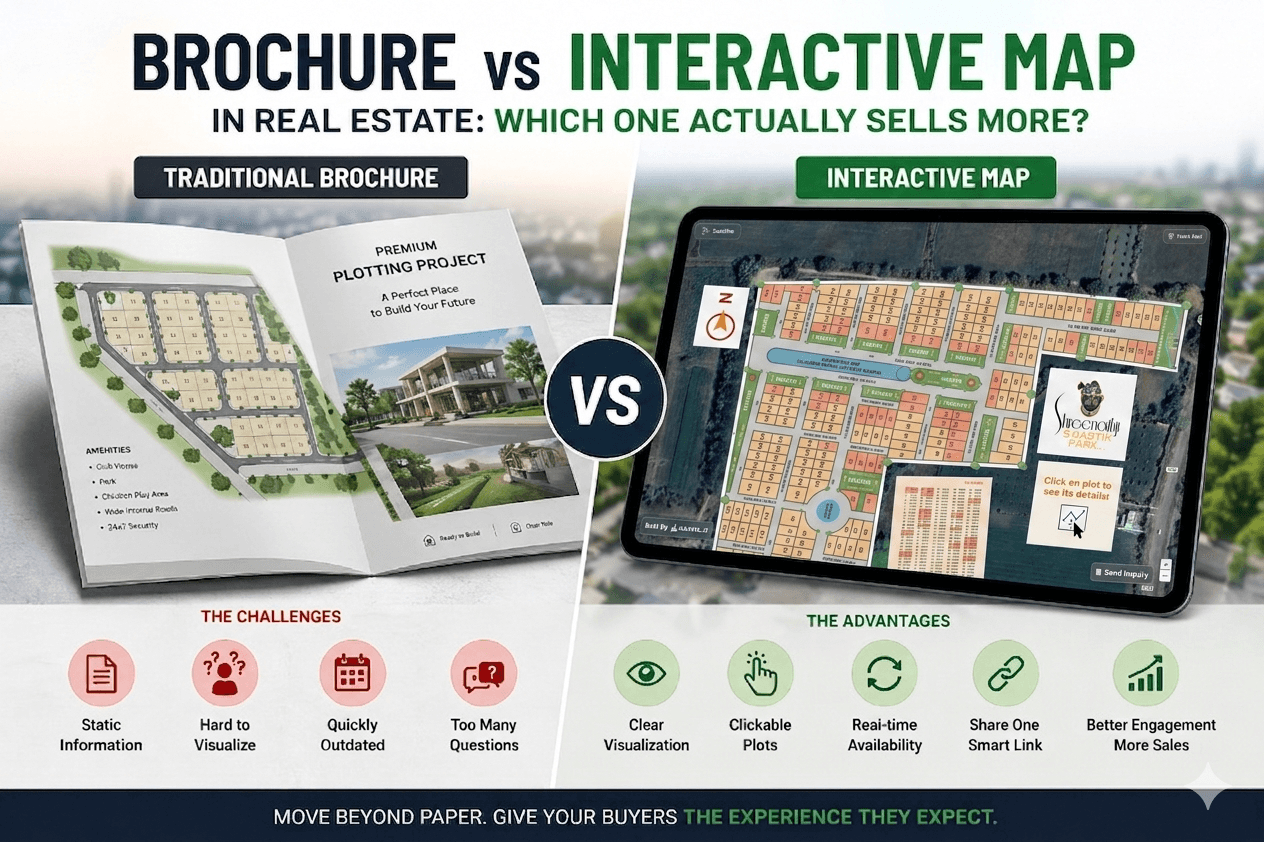
Traditional brochures, static layouts, and image galleries are no longer enough for modern property buyers. Customers now expect interactive digital experiences that help them explore projects visually and understand properties more clearly before making decisions.
This is where interactive property maps are transforming the real estate industry.
In 2026, developers are increasingly adopting interactive site plans and digital property visualization platforms to improve customer engagement, simplify inventory presentation, and create better buying experiences.
From Static Layouts to Interactive Experiences
For many years, real estate projects were presented using:
- PDF brochures
- printed layouts
- static site plans
- image galleries
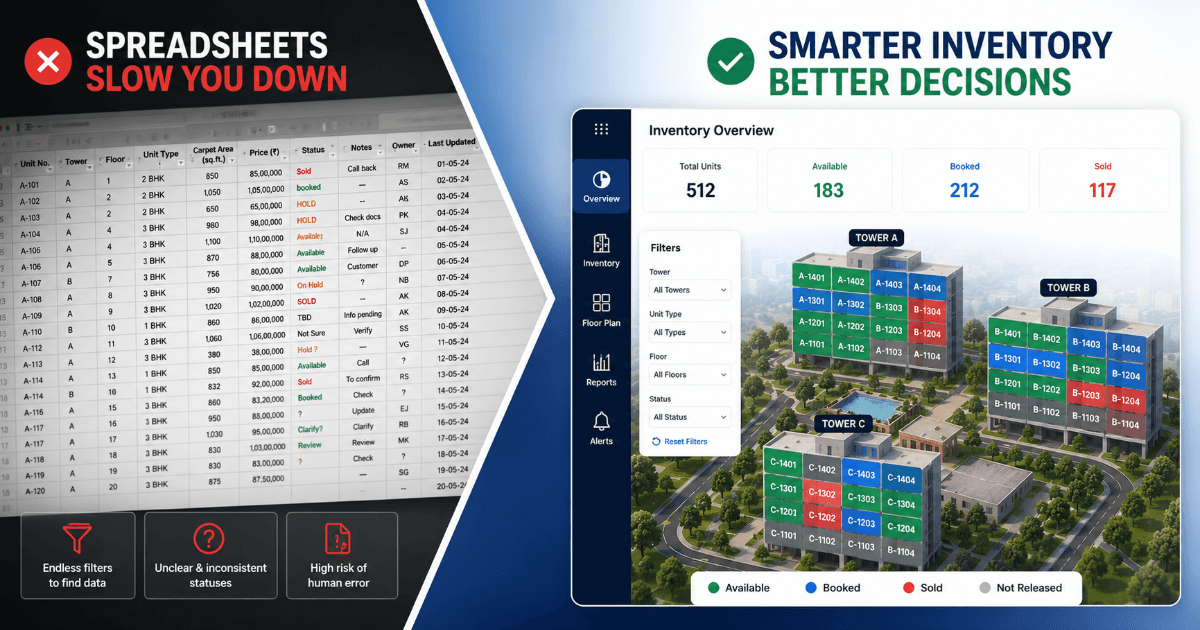
- spreadsheets for inventory management
While these methods still exist, they often make large projects difficult to understand.
Modern buyers want faster and more visual ways to explore properties.
Instead of searching through multiple pages, users now expect to:
- click directly on apartments or plots
- view unit details instantly
- compare available options visually
- understand project surroundings
- explore amenities interactively
Interactive property maps simplify this entire experience.
What Are Interactive Property Maps?
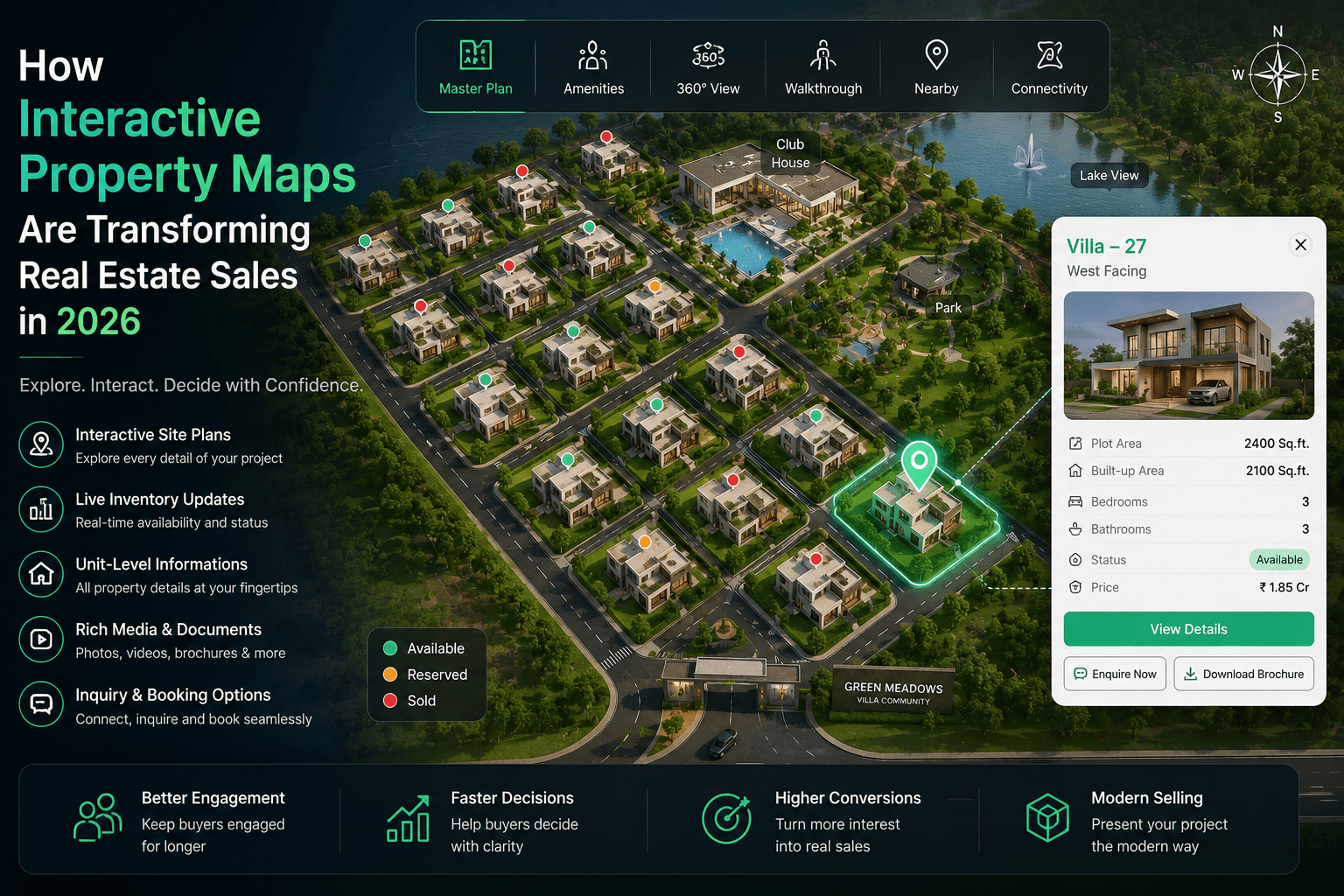
Interactive property maps are digital site plans that allow users to interact with projects visually.
Instead of viewing a flat image, users can click on individual units, towers, villas, or plots to access detailed information.
These interactive experiences can include:
- property images
- videos
- brochures
- floor plans
- elevation views
- pricing information
- size and area details
- facing direction
- availability status
- amenities
- inquiry options
- responsive HTML presentations
This creates a much more engaging and informative experience for buyers.
Better Project Understanding for Buyers
Large residential and township projects can often become confusing for customers.
Buyers may struggle to understand:
- tower positions
- road connectivity
- available inventory
- nearby amenities
- unit orientation
- project layout
Interactive visualization makes these details easier to understand.
Customers can visually explore:
- apartments
- villas
- plots
- club houses
- gardens
- parking areas
- internal roads
- commercial spaces
This improves clarity and helps buyers make decisions with greater confidence.
Improving Real Estate Sales Presentations
Interactive property visualization is also improving how sales teams present projects.
Instead of manually explaining layouts repeatedly, teams can use digital site plans to provide a more intuitive experience.
Sales representatives can instantly show:
- available units
- sold units
- premium-facing properties
- floor-specific layouts
- nearby amenities
- tower-wise inventory
This helps reduce confusion and speeds up the decision-making process.
Interactive presentations also work extremely well for:
- remote sales meetings
- online property showcases
- NRI buyers
- large township projects
- premium villa communities
Unit-Level Interactivity Is Becoming Essential
One of the biggest advantages of modern property mapping platforms is unit-level interactivity.
Each unit becomes its own digital experience.
When users click on a property unit, developers can showcase:
- image galleries
- walkthrough videos
- downloadable brochures
- legal documents
- layout plans
- pricing information
- booking details
- inquiry forms
- project highlights
This eliminates the need for customers to navigate across multiple pages or documents.
Everything becomes accessible directly from the map itself.
Interactive Maps Help Showcase Inventory More Effectively
Inventory visualization is one of the most valuable use cases of interactive property maps.
Developers can visually display:
- available units
- sold inventory
- reserved units
- premium inventory
- tower-wise availability
Color-coded visualization makes it easier for buyers to identify options quickly.
For large-scale projects, this creates a far better experience than traditional spreadsheets or static availability charts.
Creating Premium Digital Experiences
Modern property buyers increasingly expect premium digital experiences before visiting a project physically.
Interactive property maps help developers create more engaging presentations through:
- responsive map-based navigation
- immersive property exploration
- integrated multimedia experiences
- visual project storytelling
Some advanced visualization experiences may also include:
- 3D walkthrough integrations
- aerial project views
- animated environments
- nearby landmark visualization
These experiences help projects stand out in a highly competitive real estate market.
Why Interactive Property Maps Matter in 2026
The real estate industry is becoming increasingly digital.
Buyers now research projects online before visiting sales offices. Developers who provide better digital experiences gain a significant competitive advantage.
Interactive property visualization helps:
- improve customer engagement
- simplify project presentation
- reduce buyer confusion
- improve online sales experiences
- increase lead quality
- modernize project marketing
As projects become larger and more complex, interactive visualization is becoming an essential part of real estate sales and marketing strategies.
How Naavik.ai Helps Real Estate Developers
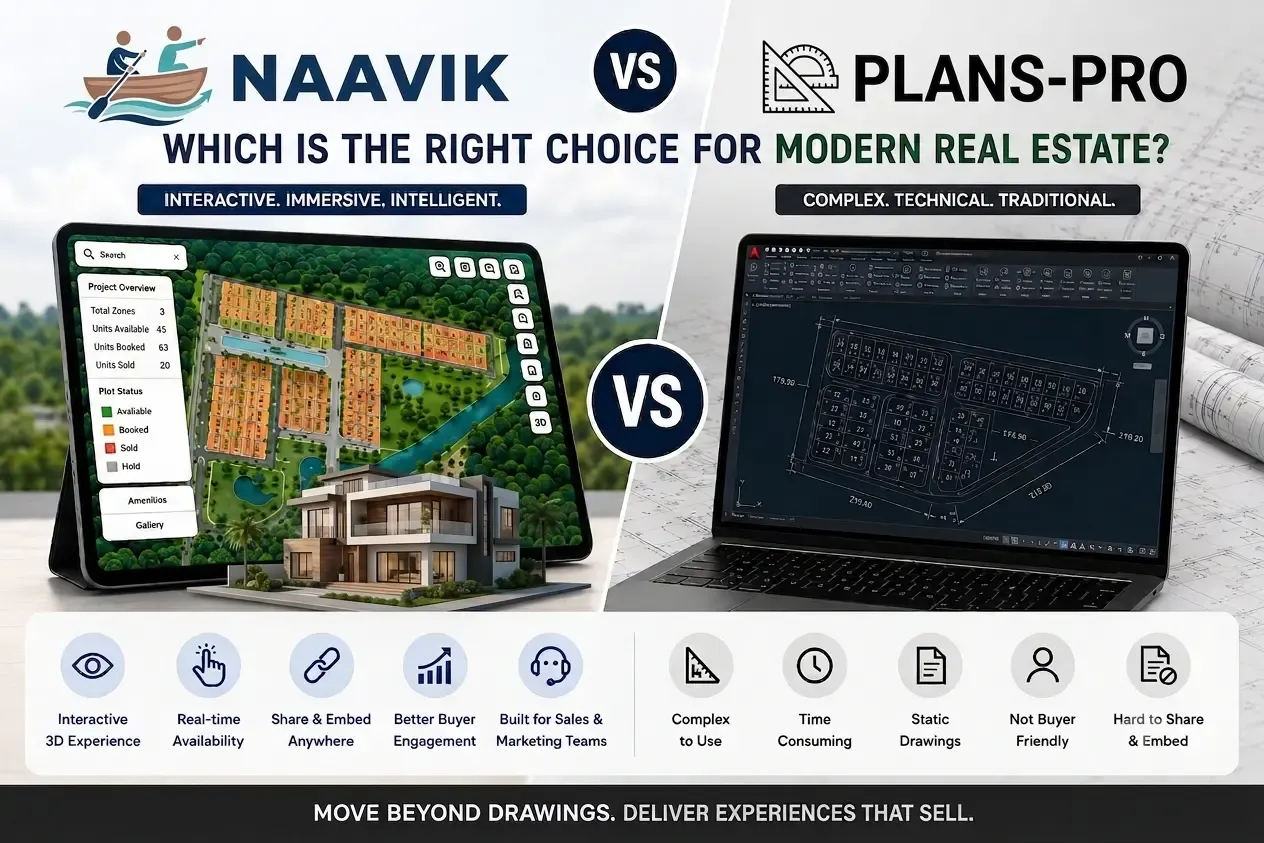
Naavik.ai helps developers create interactive geospatial experiences for modern real estate projects.
The platform enables:
- interactive property maps
- clickable site plans
- inventory visualization
- unit-level interactivity
- immersive project presentation
- multimedia integration
- responsive visualization experiences
Naavik.ai transforms traditional layouts into interactive digital experiences that improve customer engagement and simplify project understanding.
Conclusion
Interactive property maps are changing how real estate projects are presented, explored, and sold.
Instead of relying only on static brochures and traditional layouts, developers can now provide immersive and intuitive digital experiences that help buyers understand projects more effectively.
As customer expectations continue evolving in 2026, interactive visualization platforms are becoming an important part of modern real estate sales strategies.